

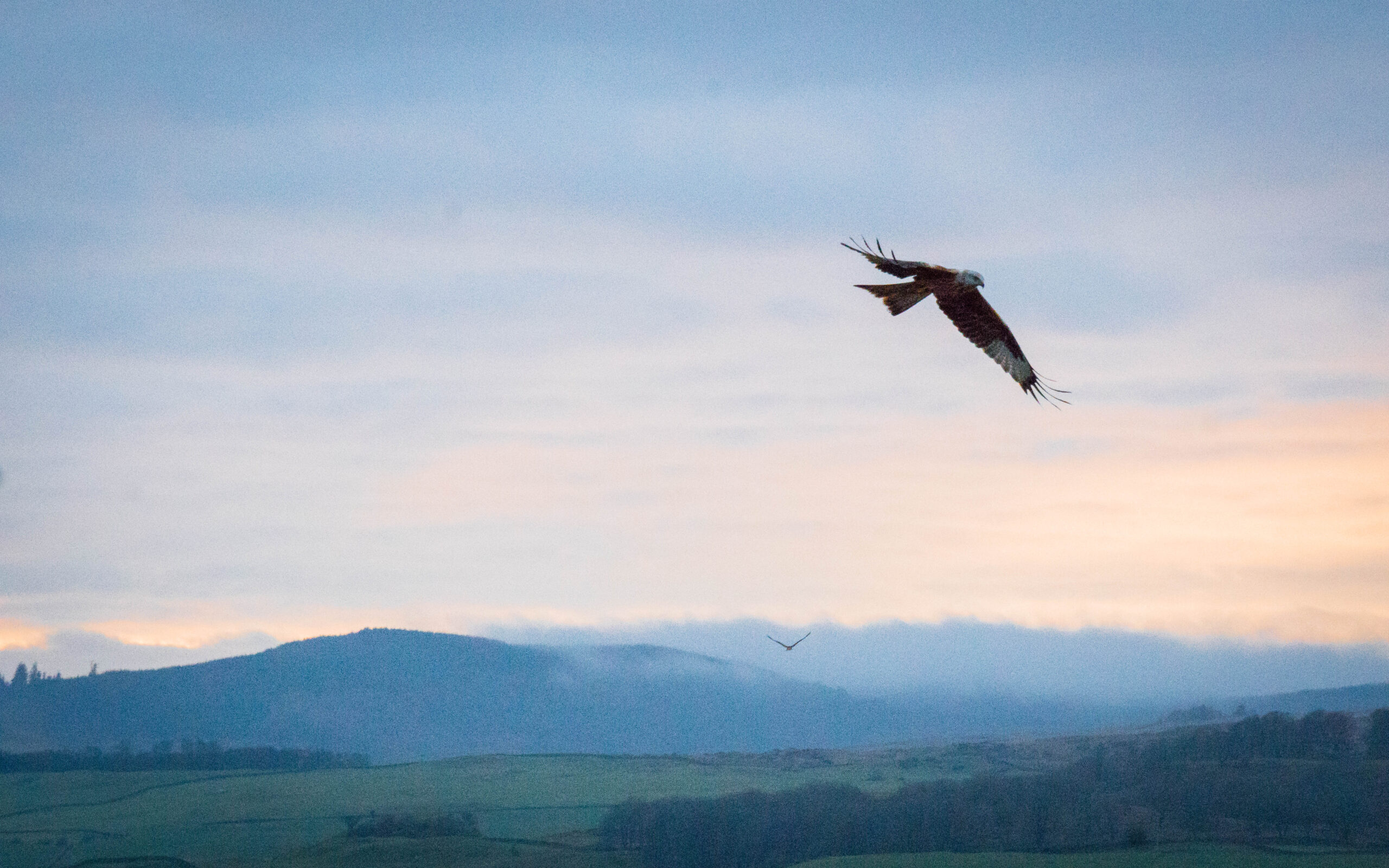
Poole may not be the first place many think of when going on a day out in nature, but its harbour in Dorset is surrounded by incredible woodlands and marshes, all the way from Wareham and Lulworth to Studland and Swanage.
In the thick of that, right on the coast, is RSPB Arne. This is the heart of the area, known for its biodiversity. It is a reserve for the Royal Society for the Protection of Birds and it offers visitors a great opportunity to connect with nature. From its lowland heath, ancient oak woodland, and the saltmarsh, you’ll see a broad range of wildlife.
Exploring the trails
While it’s no Camino de Santiago walk in terms of the size of the trails, RSPB Arne has many well-maintained walking trails that cater to different abilities and interests. There are eight signposted trails, each of a different length. Some are relatively flat, gentle strolls through the oak woodlands, while others are more extensive hikes up to the heathland with views towards Corfe Castle.
Shipstal trails are perhaps the most popular, and these wind through diverse habitats (even a lovely, sandy beach). The Coombe Heath trail is where you can spot Dartford warblers, while the Easy Access Trail, a 30-minute looped walk, makes it possible for visitors with mobility challenges to experience the reserve (starting from an accessible car park). Two off-road mobility scooters, known as Trampers, are even available for hire.
Feathered residents and visitors
Arne is a fantastic birdwatching destination throughout the year. The reserve is perhaps most well known for its Dartford warblers, often seen amongst the gorse. In winter, Poole Harbour and the Middlebere Channel attract internationally important numbers of waders and wildfowl, including large flocks of avocets and growing numbers of spoonbills.
Ospreys are the main highlight for many. A reintroduction project led by Birds of Poole Harbour began eight years ago in 2017. These can be seen fishing in the harbour during migration and the summer, sometimes using nesting posts on the reserve. Other notable species to keep an eye out for include nocturnal nightjars, woodlarks, stonechats, great spotted woodpeckers and even white-tailed eagles, which are part of a separate reintroduction program.
A wealth of wildlife
While birds are a major draw, RSPB Arne is also a refuge for other wildlife. There aren’t many places where you can see all six native reptile species in the same place, but Arne is one of them. Sika deer, introduced from East Asia, are also a common sight, and the reserve also supports insects, such as 22 species of dragonflies and damselflies.
Arne on screen
Arne is no longer a local secret. It captivated a national audience when the BBC decided to frequently choose the reserve as a filming location for its popular wildlife programmes, Springwatch and Winterwatch. These broadcasts have proudly shown the biodiversity, and as a result the reserve has had more visitors and support. Should you want to visit RSPB Arne, it’s extremely easy to drive to and park, but there is also an infrequent bus from the beginning of May to the end of August.