

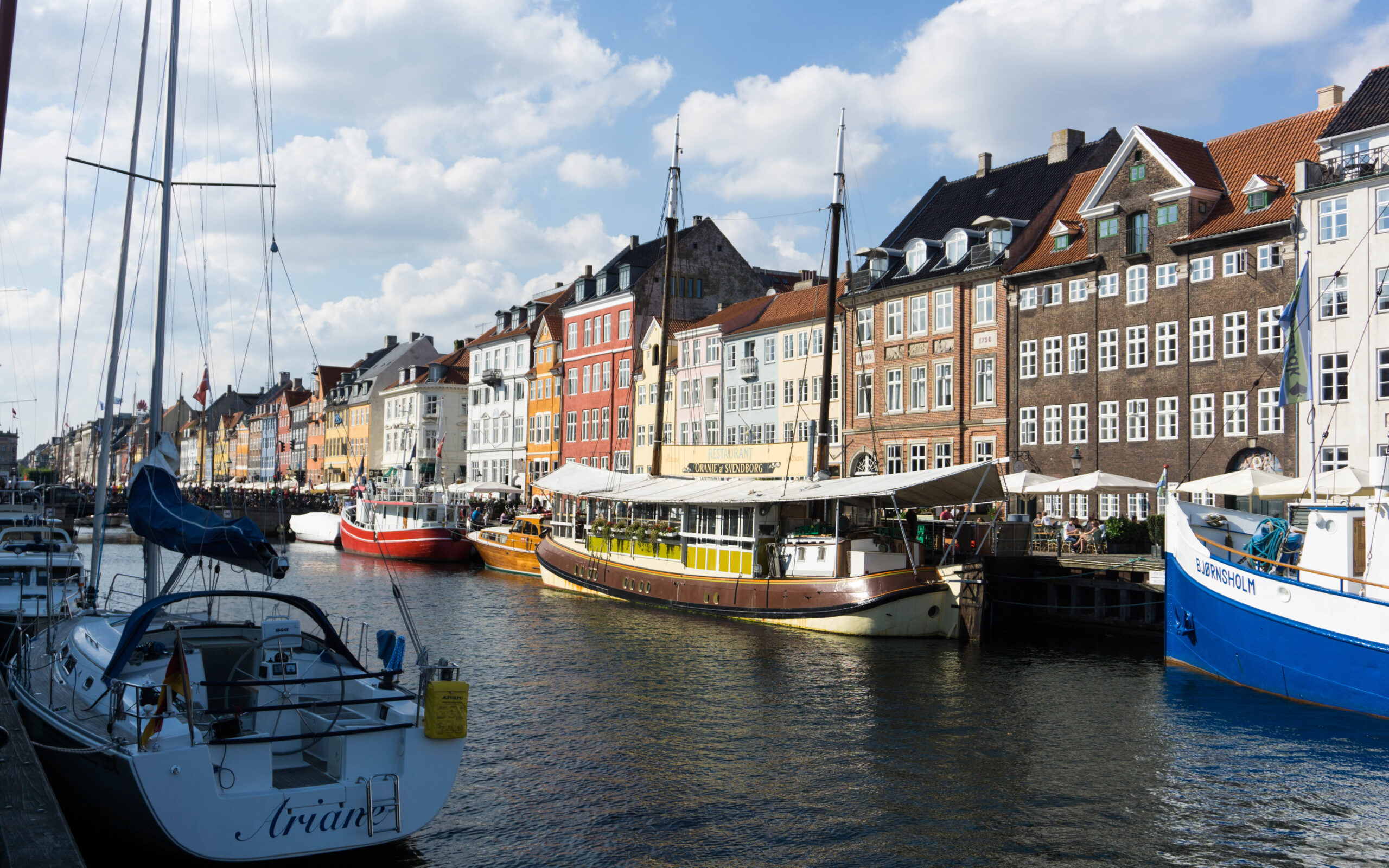
Travelling can be both exhilarating and challenging. Preparation is key to ensuring a smooth and enjoyable experience. By taking the right steps before embarking on a journey, travellers can minimize stress and maximize enjoyment.
From choosing the right gear to understanding local customs, careful planning makes a world of difference. Researching destinations ahead of time allows for informed decisions, whether it’s about accommodations, transportation, or local cuisine.
Embracing essential travel tips can transform any trip into a memorable adventure. By prioritizing preparation, travellers enhance their ability to navigate the unexpected with confidence.
Planning Your Journey
Effective journey planning involves selecting a destination, budgeting wisely, and securing essential travel insurance. Each aspect ensures a smooth and enjoyable experience.
Choosing Your Destination
When selecting a destination, consider personal interests, desired climate, and travel restrictions. Research locations that offer activities aligned with preferences, such as adventure sports, cultural experiences, or relaxation.
Use travel blogs, forums, and social media to gather insights from fellow travellers. Establish a shortlist of destinations, then compare factors like safety, accommodation options, and local transportation.
Check visa requirements and health advisories to avoid unexpected issues. A well-informed choice can significantly enhance the travel experience and minimize stress during the trip.
Budgeting for Your Trip
Creating a thorough budget is crucial for a successful adventure. Start by estimating major expenses such as flights, accommodation, and activities.
Breakdown costs into categories:
- Transportation: Flight tickets, local transport
- Accommodation: Hotels, hostels, or Airbnb
- Activities: Tours, entrance fees, rentals
- Food and drinks: Dining options and local cuisine
Factor in unexpected expenses by adding a contingency amount of approximately 10-20% of the total budget. Use budgeting apps to track expenses while travelling. This structured approach allows for flexibility and enhances the overall experience without financial strain.
Travel Insurance Essentials
Travel insurance protects against unforeseen events such as trip cancellations, medical emergencies, or lost luggage. Explore different policies to find coverage that suits the planned journey.
Key aspects of travel insurance to consider include:
- Medical coverage: Vital for international trips
- Trip cancellation/interruption: Reimbursement for non-refundable costs
- Baggage loss: Compensation for delayed or lost luggage
Compare quotes and read policy details carefully. Some credit cards offer travel insurance as a benefit, which may reduce costs. Ensuring the right travel insurance can provide peace of mind and protection during unforeseen situations.
Packing Smart
Effective packing is crucial for a successful trip. The right items ensure comfort and convenience, regardless of the destination or weather conditions.
Essential Items Checklist
Creating an essential items checklist helps ensure nothing important is forgotten. This list can include:
- Travel Documents: Passport, visa, insurance
- Clothing: Layered outfits for versatility
- Toiletries: Travel-sized shampoo, soap, toothbrush
- Medications: Prescription and over-the-counter drugs
- Electronics: Smartphones, chargers, and power banks
Packing these essentials in advance reduces stress and enhances preparedness. Customizing the list based on personal needs and the purpose of travel will further streamline the packing process. It’s beneficial to mark off items as they are packed to avoid missing anything.
Packing for Different Climates
Each climate requires specific clothing and gear. Packing appropriately enhances comfort and enjoyment.
- Tropical Climate: Lightweight clothing, sunblock, and insect repellent are crucial. Breathable fabrics like cotton or linen are ideal.
- Cold Climate: Insulated layers, thermal underwear, gloves, and a waterproof jacket are necessary to retain warmth.
- Wet Climate: Waterproof gear, quick-dry attire, and sturdy shoes help adapt to unpredictable conditions.
Understanding the forecast and anticipated conditions aids in selecting the right clothing. This foresight minimizes discomfort and ensures readiness for various weather situations.
Travel Gadgets and Gear
Gadgets can enhance travel experiences and provide convenience. Important items include:
- Multi-Port Chargers: Allows simultaneous charging of multiple devices.
- Packing Cubes: These keep items organized and maximize luggage space.
- Portable Wi-Fi Hotspots: Ensures internet access anywhere.
- Noise-Canceling Headphones: Useful for long flights or train rides.
Selecting the right gadgets based on the type of travel makes life easier. Investing in reliable gear can improve efficiency and overall satisfaction during the trip.
Health and Safety
Ensuring health and safety during travel is crucial. Proper preparedness can prevent illness and enhance personal security while exploring new environments. While exploring new destinations, it’s important to stay aware of potential hazards, as knowing your legal rights after tripping and falling can help you understand the steps to take if an accident occurs.
Vaccinations and Medications
Before travelling, individuals should consult their healthcare provider about necessary vaccinations. Specific regions may pose risks for diseases such as yellow fever, typhoid, or hepatitis A.
Recommended Vaccinations:
- Hepatitis A
- Typhoid
- Tetanus-Diphtheria-Pertussis (Tdap)
Travellers might also need to consider anti-malarial medication, especially in areas where malaria is prevalent. It’s advisable to carry a copy of vaccination records for proof when entering certain destinations.
Additionally, packing a travel health kit is essential. This kit should include:
- Prescription medications
- Pain relievers
- Antiseptic wipes
- First-aid supplies
Staying Safe in Unfamiliar Places
When navigating unfamiliar areas, safety should be a top priority. Travellers should research their destination beforehand, including understanding local customs and laws.
Safety Tips:
- Keep emergency contacts accessible.
- Use reputable transportation methods.
- Avoid displaying valuables in public.
Travellers should also remain vigilant about their surroundings. It is wise to stay in well-lit areas at night and inform someone about their itinerary. Mobile apps that share live locations can enhance safety by providing real-time updates for friends or family.
Staying at accommodations with good reviews can also contribute to a safer experience. Additionally, learning a few basic phrases in the local language can help in emergency situations.
Cultural Etiquette and Communication
Cultural norms and communication styles vary greatly across regions. Being aware of these differences can enhance travel experiences and foster positive interactions with locals.
Understanding Cultural Norms
Respect for local customs is crucial when travelling. This includes greetings, dress codes, and dining etiquette. For example, in many Asian cultures, bowing is a common form of greeting, while in Western cultures, a firm handshake is preferred.
Before visiting, research specific practices that can affect interactions. In some cultures, direct eye contact is considered rude, while in others, it may signal confidence.
Key Points to Consider:
- Greetings: Familiarize with local greetings, which can range from handshakes to cheek kissing.
- Dress Codes: Respect religious or traditional attire, especially in sacred places, to avoid offending locals.
- Dining Etiquette: Learn about table manners, such as using the right hand for eating in certain cultures.
Language Basics and Tips
Language can significantly influence communication. Even basic phrases can enhance engagement. Knowing how to greet someone or say thank you in the local language shows respect and effort.
Learning essential vocabulary is beneficial. Common phrases might include:
- Hello: A friendly greeting.
- Please: Shows politeness when making requests.
- Thank you: An expression of gratitude.
Using translation apps can help bridge language gaps. It is also useful for carrying a pocket dictionary or phrasebook.
Tips to Enhance Communication:
- Speak Slowly: Articulate clearly to avoid confusion.
- Body Language: Nonverbal cues can help convey meaning.
- Patience: Understand that language barriers may lead to misunderstandings.
Before heading off on your next adventure, make sure your travel checklist is complete. If you’re in Bristol, take advantage of trusted currency exchange solutions from TravelCash, offering 0% commission and ensuring you get the best deal on your foreign currency needs.